
How we can help

woman with short hair and tattoos signing to another person

Who to call if you need help

Local support services if you need help with family violence or related concerns.

A therapeutic recovery and healing program for people in the Loddon Campaspe area who have experienced family violence.
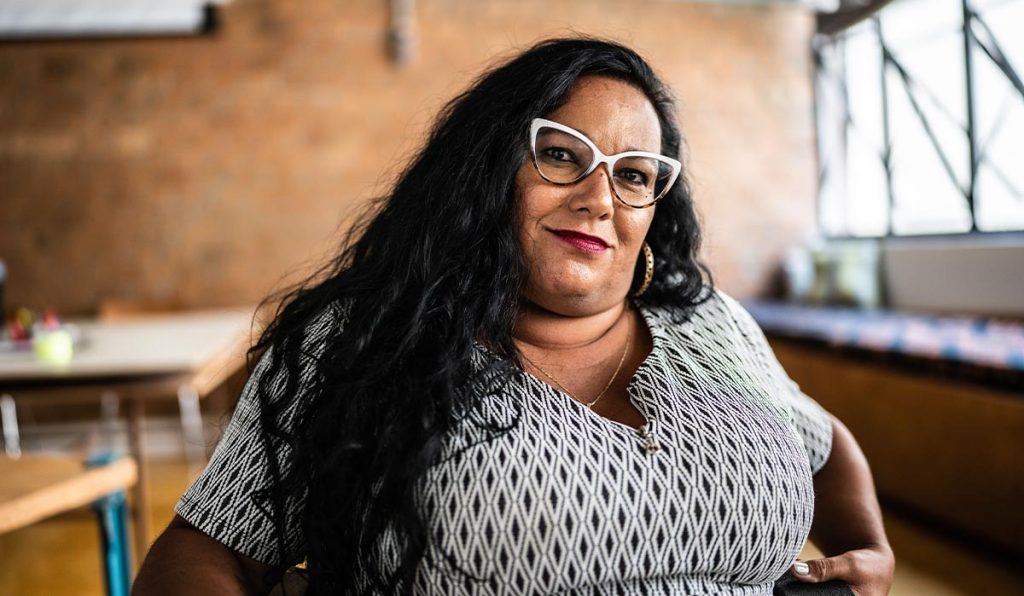
Safe, Thriving and Connected

A therapeutic recovery and healing program for people in the Loddon Campaspe area who have experienced family violence.

We work with women, children, young people, older people and LGBTQIA+ people who are experiencing family violence.

Our services

We work with women, children, young people, older people and LGBTQIA+ people who are experiencing family violence.

Join the CNV community

Work with us

Make a real difference in the lives of people affected by family violence with a career at the Centre for Non-Violence.

Fundraise for us

Fundraising is a fun and rewarding way to make a difference people experiencing family violence.

Donate

Your support helps us to continue our work of responding to the impacts of and preventing family violence in Victoria.

The big picture of family violence

27%

of women have experienced family violence since the age of 15.

30%

of family violence incidents attended by police have children present.

1 in 4

men aged 18 to 45 say they have used physical and/or sexual violence against an intimate partner.

Our latest news

A Safe Place to Call Home: the gold standard in emergency accommodation has arrived in Bendigo.

Safe Places Housing Launch

Family violence is the leading cause of homelessness for women and children in Australia. Victim survivors are often left to make the decision to either face homelessness or stay in the abusive relationship; which is no choice at all. The building of these purpose-built homes for victim survivors shows us that it’s possible to have a safe place to call home when escaping family violence.

Front-line services: the missing link in prevention

Front-line services: the missing link in prevention

Long before national frameworks defined primary prevention, frontline services recognised that preventing gender-based violence means addressing gender inequality, systemic oppression, and the structures that shape people’s everyday experiences of harm.

Challenging the Masculinity Myth

Challenging the Masculinity Myth

If we hope to end violence against women, children and diverse communities, we need to challenge the masculinity myths that drive this violence.